Category: Press Release

  • MAPUTO TO HOST INTERNATIONAL CONFERENCE ON SUSTAINABLE MANUFACTURING AND THE AFRICAN CONTINENTAL WELDING COMPETITION

    MAPUTO TO HOST INTERNATIONAL CONFERENCE ON SUSTAINABLE MANUFACTURING AND THE AFRICAN CONTINENTAL WELDING COMPETITION

    The event brings together experts, training institutions, companies and competitors from various African countries to promote technical skills, industrial innovation and international cooperation

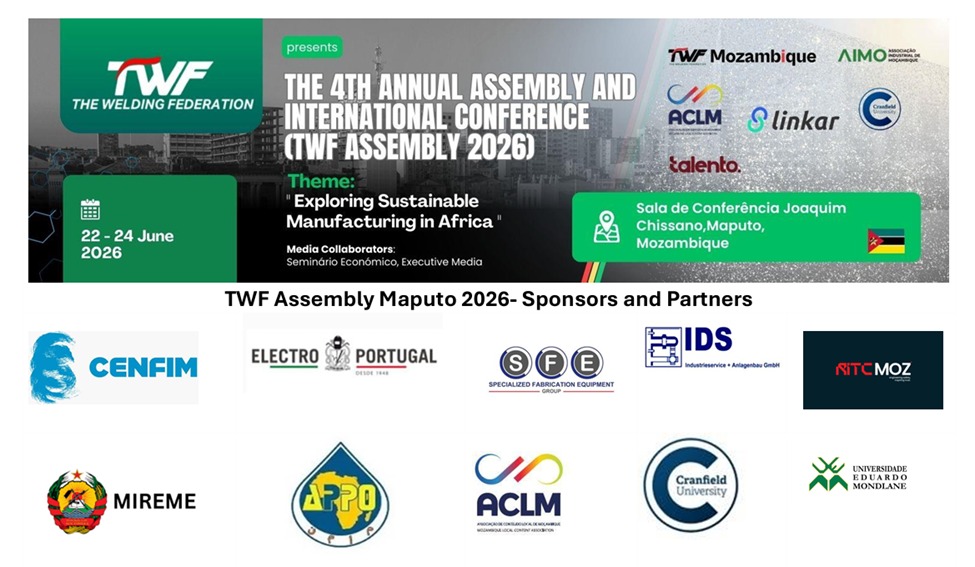
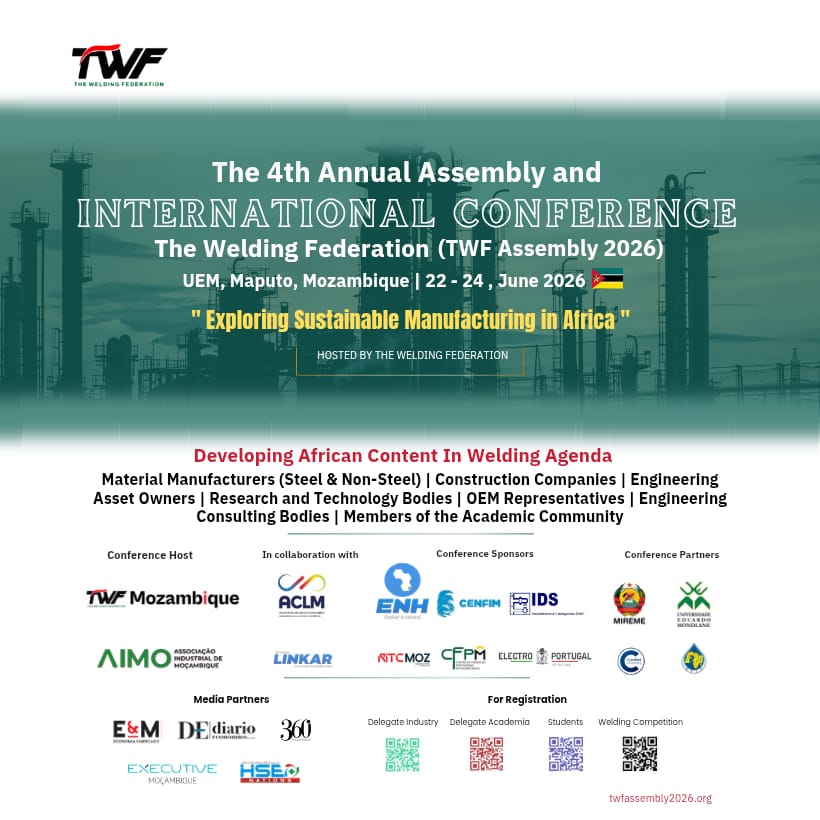
    Maputo, Mozambique, 2026 – Between 22 and 24 June 2026, Maputo will host the 4th Annual Assembly and International Conference of The Welding Federation (TWF Assembly 2026), one of the most important African gatherings dedicated to welding, materials engineering, advanced manufacturing and sustainable industrial development.

    Under the theme “Exploring Sustainable Manufacturing in Africa”, the conference will bring together experts, government representatives, universities, technology centres, companies and organisations from various African countries to discuss the challenges and opportunities of the continent’s industrialisation, with a particular focus on technical skills, technological innovation, the integration of industrial value chains and skills development for the energy, mining, oil and gas, electric mobility and advanced manufacturing sectors.

    Key topics for discussion include the integration of African industrial supply chains, materials engineering applied to strategic sectors such as mining, electric vehicles and the offshore industry, as well as the role of technical training and advanced manufacturing in creating economic and industrial value in Africa.

    The Assembly will also feature the 3rd edition of TWF Continental Welding Competition (CWC) to be held at CFPM – Metalworking Vocational Training Centre. TWF CWC 2026 will bring together 20 young competitors from various African countries. The joint organisation of these initiatives reinforces Mozambique’s role as a platform for technical cooperation, vocational training and industrial development on the continent.

    PARTICIPATION REINFORCING AFRICAN CONTENT COLLABORATION
    TWF Assembly 2026 will host manaufactuers, researchers and experts of welding communities from Nigeria, Egypt, South Africa, Uganda, Tunisia, Algeria, Senegal, Ethiopia, Cape Verde, Zimbabwe, Mozambique, Tanzania, Gabonese Republic , Moroccco, United Kingdom in knowledge driven and experience sharing sessions.

    The competition which serves to expand the elasticity of welding skills in Africa, will likewise feature participants from Mozambique, Angola, Senegal, Nigeria, Ethiopia, Cape Verde and South Africa, who will be assessed on three widely applied welding processes in Africa’s industries:
    • SMAW – Shielded Metal Arc Welding;
    • GTAW (TIG);
    • GMAW (MIG).
    The awards ceremony for winner of each category will take place on 24 June, during the closing session of the TWF Assembly 2026, at Eduardo Mondlane University.

    SPECIAL GUEST PARTICIPATION
    Mayor of Port gentil-Gabonse Republic
    The Mayor of Port gentil-Gabonse Republic, Pascal Abourne of will deliver a special address on the state and future of welding in Central Africa on the 22nd of june, 2024

    Director General -Industrial Training Fund, Nigeria

    The Director General of Nigeria’s Industrial Training Fund will also join leaders and experts in the discussions to advance and harmize capacity in welding technology practices in Africa

    Engr Wole Ogunsanya
    Engr Wole Ogunsaya, President of Petroleum technology Association and President of African Local Content Association will deliver the much anticiated Africa Industry Lecture on the 22nd of June, 2026

    Portugal’s Secretary of State for Labour
    As part of his official visit to Mozambique, Portugal’s Deputy Secretary of State for Labour, Dr Adriano Rafael Moreira, will visit the CFPM’s premises on 22 June at 3.30 pm, to closely observe the competition and the results of the technical and professional cooperation developed between the two countries.

    TWF ASSEMBLY 2026 SPONSORS
    4th Annual Assembly & International Conference of The Welding Federation

    ABOUT THE WELDING FEDERATION

    The Welding Federation (TWF) is Africa’s table of solution in welding and materials manufacturing. It is Africa’s table dedicated to dedicated to the development of welding, materials engineering and sustainable manufacturing, promoting professional qualifications, skills certification and industrial integration across the African continent.

    TWF annual assemblies engage experts, manufacturers and researchers and stakeholders in intense knowledge gathering, and experience sharing sessions focused on growing and deploying local content capabilities in all value chain opportunities in welding and materials manufacturing across all of Africa’s national manufacturing ecosystems.

    Press contacts:
    Ayo Adeniyi
    Executive Director
    The Welding Federation
    info@weldfa.org
  • ATC 2026 Programme Press Release

    ATC 2026 Programme Press Release

  • PARTNERSHP ANNOUNCEMENT

    PARTNERSHP ANNOUNCEMENT

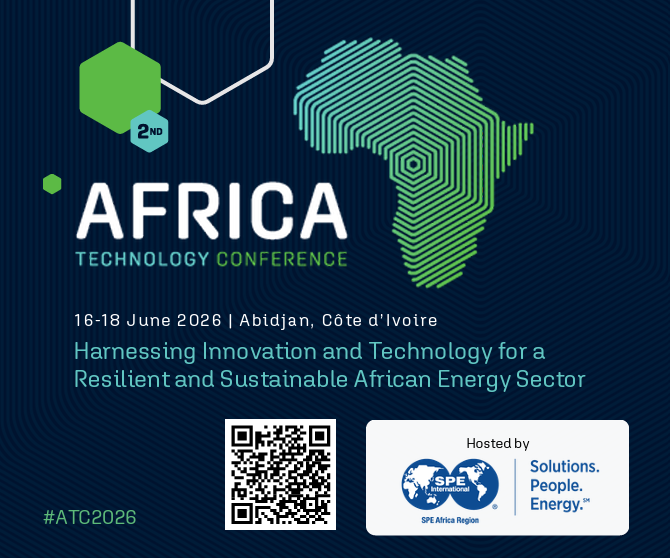
    We are thrilled to announce OlyAfrique as an official media partner for the upcoming 2nd Africa Technology Conference (ATC 2026)! 🌍✨

    This June, industry leaders, tech pioneers, and energy experts will gather in Côte d’Ivoire to unpack a crucial mission: “Harnessing Innovation and Technology for a Resilient and Sustainable African Energy Sector.”

    At OlyAfrique, we believe that driving sustainable growth across the continent requires a deliberate collision of cutting-edge technology, collaborative knowledge-sharing, and bold innovation. Partnering with ATC 2026 aligns perfectly with our vision to champion transformative solutions that empower African industries.

    Join us on this journey to reshape the energy landscape. Whether you are looking for groundbreaking technical presentations, keynote insights, or high-value networking, this is where the future of African energy takes shape.
    📅 Date: 16 – 18 June 2026
    📍 Location: Côte d’Ivoire

    🔗 Register your delegate place today: africatechnologyconference.com/register
    Let’s advance Africa’s energy future together!

  • Media Partnership Announcement: OlyAfrique Teams Up with TWF Annual Assembly 2026

    Media Partnership Announcement: OlyAfrique Teams Up with TWF Annual Assembly 2026

    Maputo, Mozambique — OlyAfrique Magazine is proud to formally announce its appointment as the Official Media Partner for the upcoming Welding Federation (TWF) Annual Assembly.

    As Africa’s industrial landscape undergoes a massive transformation, OlyAfrique will be on the ground to provide exclusive coverage, live updates, and deep-dive insights from one of the continent’s most critical manufacturing events.

    ​Through this partnership, OlyAfrique will leverage its digital platforms, website, and social media networks to amplify the insights, policy discussions, and engineering innovations shaping Africa’s future.

    ​Essential Event Information
    ​To help our audience navigate and engage with this landmark event, here are the essential details to share across your networks:
    ​Event Name: The Welding Federation (TWF) Annual Assembly 2026
    ​Theme: Exploring Sustainable Manufacturing in Africa
    ​Dates: 22 – 24 June, 2026
    ​Venue: Joaquim Chissano International Conference Centre, Maputo, Mozambique
    ​Official Website: www.twfassembly2026.org

    ​1. The Core Focus: Value Creation & Sustainability
    ​The manufacturing industry is shifting from pure production volume to productivity and sustainability. This assembly isn’t just a technical seminar; it is a strategic crossroads where industry leaders, engineers, and policymakers sit down together to review policy models, bridge structural gaps, and ensure Africa captures the economic value of its own materials.

    ​2. High-Level Panel Highlights
    ​Supply Chain Integration: Focusing on how to seamlessly connect materials manufacturing across African borders to build a resilient, self-sustaining industrial ecosystem.
    ​High-Value Heavy Industry: Addressing the technical capabilities required to locally manufacture complex, high-value components for the offshore energy and mining sectors—reducing reliance on foreign imports.

    ​3. Call to Action for Industry Stakeholders
    ​The assembly is actively calling on the global and regional manufacturing community to get involved. Space is available for:

    ​Sponsorship: Position your brand at the forefront of African industrialization.
    ​Panel & Oral Presentations: Share breakthrough research, engineering case studies, or policy at the TWF Annual Assembly 2026 in Maputo, Mozambique! 🇲🇿
    ​
    ​🔹 Looking to sponsor, present, or attend? Visit www.twfassembly2026.org to secure your spot.
    ​Stay tuned to OlyAfrique for live updates!

  • Delta Govt Partners NDDC, Chevron on Omadino-Escravos Road

    Delta Govt Partners NDDC, Chevron on Omadino-Escravos Road

    The Delta State Governor, Rt. Hon. Sheriff Oborevwori, has reaffirmed his administration’s commitment to collaborate with the Niger Delta Development Commission, NDDC, and Chevron Nigeria Limited on the 70.75 km Omadino-Okerenkoko-Escravos Road and bridges in the Warri North Local Government Area.

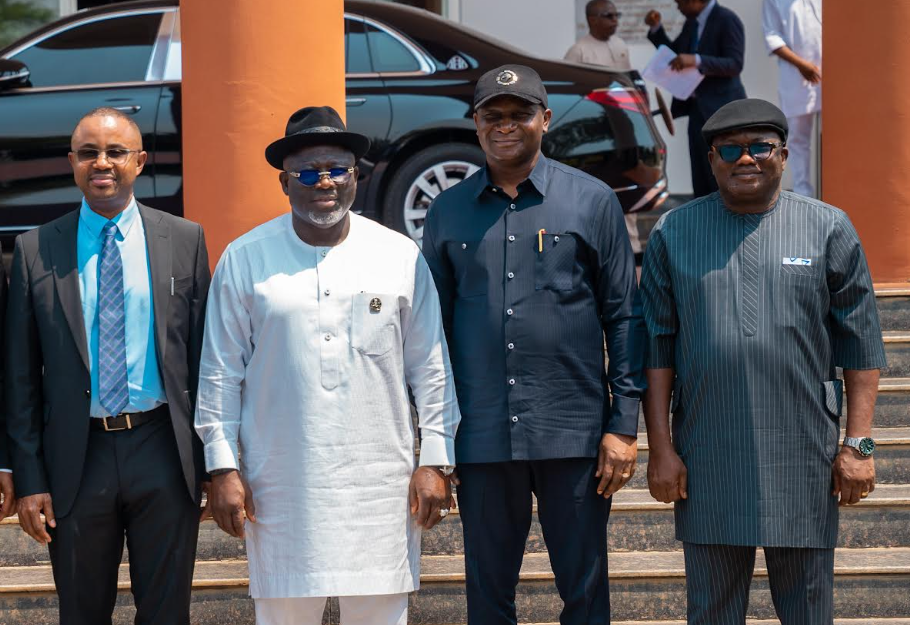
    The Governor stated this when the NDDC Managing Director, Dr Samuel Ogbuku, led a delegation of the Commission’s Executive Management, including the Executive Director Projects, Dr Victor Antai and Directors of the Commission, to pay him a courtesy visit at Government House, Asaba.

    The courtesy visit preceded a tripartite meeting among the Delta State Government, NDDC, and Chevron to chart a clear roadmap for the project’s commencement. Governor Oborevwori expressed satisfaction with the ongoing discussions among the partners on the project expected to connect Warri to key oil-producing coastal communities, enhancing economic activity, security, and infrastructure across the region.

    Oborevwori assured that his administration was fully committed to seeing the project through, describing it as a huge project that would transform the state’s coastal communities.

    He restated the state government’s readiness to partner with the NDDC on key infrastructure projects, stating, “I want to say that Delta State is ready to partner with the NDDC and Chevron to deliver this project.”

    The governor also reiterated that his administration would continue to embrace partnerships that translate into tangible progress for Deltans.

    He explained that the tripartite partnership would not only fast-track the project’s delivery but also strengthen collaboration for sustainable regional development.

    Oborevwori further restated his administration’s commitment to accountability, transparency, and cost-effective service delivery in all infrastructural projects across the state. He therefore charged both the NDDC and Chevron with determining the project’s financial value and their respective monetary contributions.

    He described the Omadino-Okerenkoko-Escravos Road and bridges as a strategic corridor and investment in economic connectivity and peace-building across the riverine communities.

    The governor further emphasised the importance of awarding the project to a reputable construction firm to ensure its successful completion. He assured that a technical team would be set up to collaborate with the NDDC and Chevron on project design, cost assessments, and stakeholder contributions.

    Giving a summary of the project, the NDDC Managing Director, Dr Ogbuku, noted that the road and bridges will span approximately 70.76 kilometres, starting from Omadino, near the Opumami Canal, and ending at Escravos.

    According to him, “The plan includes a main alignment of 66.54 kilometres, a 4.22-kilometre spur to Kokodiagbene, and 29 bridges linking key oil-bearing and coastal communities across Warri South and Warri South-West Local Government Areas.”

    He reaffirmed the NDDC’s commitment to building strategic partnerships to enhance the quality of life of the people of the Niger Delta region.

    Ogbuku recalled that the partnership between the Shell Petroleum Development Company of Nigeria Limited and the NDDC in constructing the 25.7 km Ogbia-Nembe Road should be replicated for other projects.

    He identified Escravos as an area of special economic priority, stating that NDDC was taking steps to make it more accessible by rallying stakeholder support for a broad partnership to expedite the construction and completion of the high-impact road to the area.

    The NDDC boss presented an executive brief to the Governor on the Commission’s discussions with Chevron to further harmonise strategies for project execution.

    The Chevron Director of Operations and Chief Operating Officer, Engr. Segun Kuteyi affirmed Chevron’s commitment to completing the Omadino-Escravos Road, which he said would link Warri to Escravos, the hub of oil and gas activities in Delta State, adding that the road’s construction would boost oil production and other economic activities in the area.

    Kuteyi acknowledged that the road would provide direct access to major oil and gas installations, including Chevron’s Escravos Export Terminal, while enhancing socio-economic activities, security response, and inter-community relations in the Niger Delta region.

    Seledi Thompson-Wakama
    Director, Corporate Affairs
    March 12, 2026.

  • NDDC Kicks off Performance Management System Implementation

    NDDC Kicks off Performance Management System Implementation

    The Niger Delta Development Commission, NDDC, has commenced the implementation of the Performance Management System, PMS, aimed at enhancing staff efficiency with a view to ensuring better service delivery.

    Speaking during a two-day retreat for the deployment and institutionalization the PMS at the NDDC headquarters in Port Harcourt, the Commission’s Managing Director, Dr Samuel Ogbuku, stated that the implementation of the new system was crucial for achieving the nation’s development goals.

    Ogbuku noted that the new Performance Management System will replace the old Annual Performance Evaluation Report, APER, currently being used in the Public Service. The new PMS is based on the Balanced Scorecard System and covers both organisational and individual performance.

    The NDDC boss stated that with the implementation of the Performance Management System, the NDDC was demonstrating its commitment to efficient service delivery in line with the Renewed Hope Agenda of the President Bola Ahmed Tinubu-led Administration.

    While commending the Federal Government for bringing forward innovative ideas and ensuring the implementation of policies and initiatives aimed at transforming Nigeria’s Public Service in line with contemporary global realities, the MD encouraged staff to prioritise performance in their daily work, emphasising teamwork and continuous striving for excellence.

    Ogbuku assured that the Commission would comply fully with federal civil service policies. He announced that the NDDC would be fully automated to enhance efficiency and accountability.

    Ogbuku explained that the new employee management system is designed to improve staff productivity, noting that promotions will henceforth be based strictly on performance. He urged staff to embrace continuous learning, particularly in computer literacy, as adaptability to the Performance Management System (PMS) is now mandatory.

    “Every staff member must cultivate the habit of learning to be familiar with computer systems. This is very mandatory in this new policy, especially as all directorates in the Commission will be fully automated by the end of March,” Ogbuku stated.

    He said staff would be trained and exposed to different aspects of the workflow to facilitate easy adaptation to the PMS.

    The NDDC Director Planning and Statistics, Dr. Patterson Ogon, said the Performance Management System will enable the Commission to track progress, identify areas for improvement, and make informed decisions, he said.

    “The introduction of the Performance Management System marks a significant step in strengthening accountability, efficiency, and service delivery within the NDDC.”

    The Director of Admin and Human Resources, Mr Kelechi Nwelue, stated that there would be both quarterly and annual assessments of staff performance to identify areas requiring attention and improvement.

    According to him, there would be support systems across all directorates to help staff adapt to the new system.

    The Consultant, Dr. (Mrs.) Offiong Achibong, remarked that the main objective of the PMS was to ensure excellence at work.

    She outlined Key Features of the PMS to include: Regular Performance Evaluations, Goal Setting, and Performance-Based Promotion.

    Consultant Dr Mrs. Offiong Achibong remarked that the PMS is focused on measurable results across units and directorates, in line with Federal Government policies. She reiterated that the ultimate goal is to ensure excellence at work, where dedication and hard work are duly rewarded.

    Seledi Thompson-Wakama
    Director, Corporate Affairs
    March 8, 2026.

  • Governor Diri Extols Bayelsa Community, Hails NDDC for Transformation

    Governor Diri Extols Bayelsa Community, Hails NDDC for Transformation

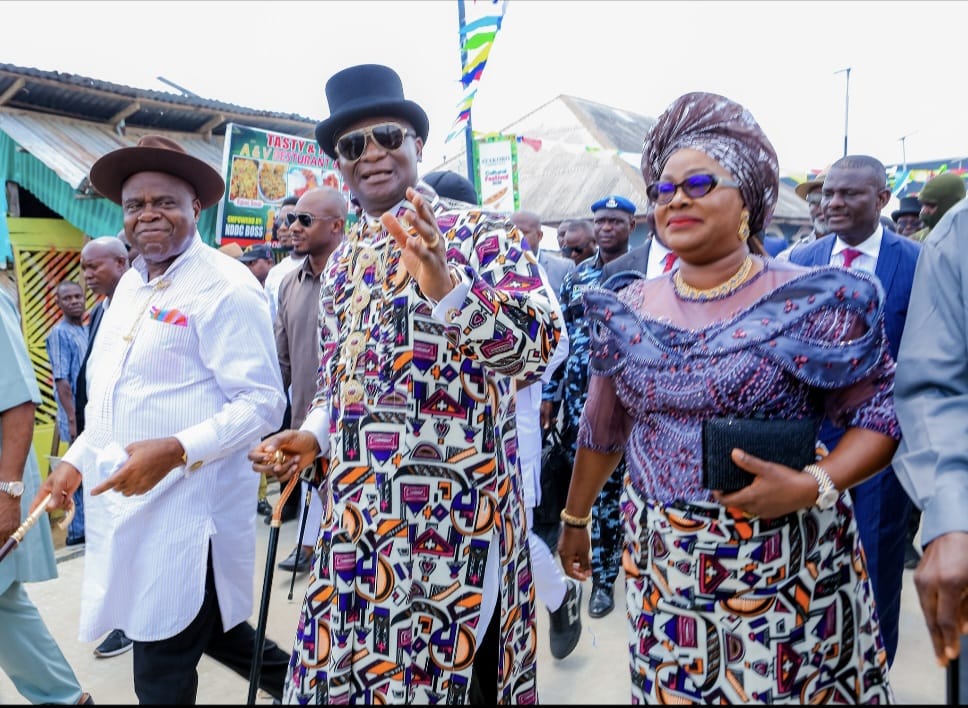
    The Governor of Bayelsa State, Senator Douye Diri, has commended the people of the Ayakoro community in the Ogbia Local Government Area of the state for providing a peaceful atmosphere for development, and lauded the Niger Delta Development Commission, NDDC, for collaborating with the state government to transform communities in the state.

    Speaking during the grand finale of the Ayakoro Annual Cultural Festival held in Ayakoro community on Saturday, Governor Diri expressed delight at the remarkable transformation in the communities, noting that “the progress reflects strong collaboration between the community, the state government and the NDDC.”

    He said: “I commend the people for their peaceful disposition and continued support for our Government of Assured Prosperity.”

    Governor Diri assured the people that the state government would continue to extend development projects to the area. He remarked that “Ayakoro will benefit from the ongoing Akaba–Ogu-Okodi Road project to boost connectivity and economic growth.”

    He said further: “Our administration remains committed to ensuring that no community in Bayelsa State is left behind in our development drive.”

    The Governor added, “We hope President Bola Tinubu will come and commission our 60-Megawatt Gas Turbine Project, which will provide 24-hour electricity in Bayelsa State.

    In his remarks, the Chief Host and the NDDC Managing Director, Dr Samuel Ogbuku, thanked the Bayelsa State Governor for supporting the Ayakoro community in its time of need. He recalled that in 2022, when the community was ravaged by flood, the governor visited them to share in their pain.

    Ogbuku observed: “When you stepped into this community, you wished us well, you wished us peace, you condoled with us, and since you left, goodness and mercy have been following us.

    “Thank you for bringing blessings to this community. We know that, because you are here again today, we are going to quadruple the development we are seeing in this community.”

    Governor Diri Extols Bayelsa Community, Hails NDDC for TransformationThe NDDC boss noted that the annual cultural festival “celebrates the resilience and character of our people and their ability to confront the unknown, because one of the major difficulties of human beings is facing the unknown.”
    “We are not only celebrating the crossing of the community because we were ravaged by flood erosion on the other side, but coming to this way again, you can see that we are doing land reclamation, which means erosion is still ravaging this community.”

    Ogbuku stated that development would not thrive in an environment without peace. “The people of Ayakoro are very peaceful people, who believe that tomorrow will always be better.

    “Since we have demonstrated that we are a community of peace, and you being a man of peace, we also need to be rewarded with more projects from the Bayelsa State Government.

    The chairman of the occasion, Chief Obinna Iyiebu, applauded Ogbuku for the transformation taking place in Ayakoro community.

    He said: “I must say Ayakoro community is blessed to have a son like Dr Samuel Ogbuku. I can see development everywhere in Ayakoro community. The essence of people finding themselves in certain positions in life is not just to acquire wealth for themselves but also to bring development to their people. Ogbuku has proven that by improving the Ayakoro community from the state he found it in, bringing development to his people.”

    Earlier in his welcome address, the Community Spokesperson, Chief Pureaziba Akpoti, noted that the annual “Eyal Obeyin” festival is a significant cultural event in the community, showcasing their rich heritage and traditions and promoting tourism.

    He noted: “The Ayakoro annual festival has become a cultural tourism component called ‘Eyal Obeyin’ (Crossing), born out of the need to honour and immortalise the community’s founding fathers.

    “This annual celebration promotes harmony, collaboration, peace, and tolerance. It embodies the spirit of resilience and determination exhibited by the community’s forebears. By celebrating this festival, the community honours their forebears’ resilience and determination in the face of adversity.

  • NDDC Boss Inaugurates Procurement, Abandoned Projects Committees

    NDDC Boss Inaugurates Procurement, Abandoned Projects Committees

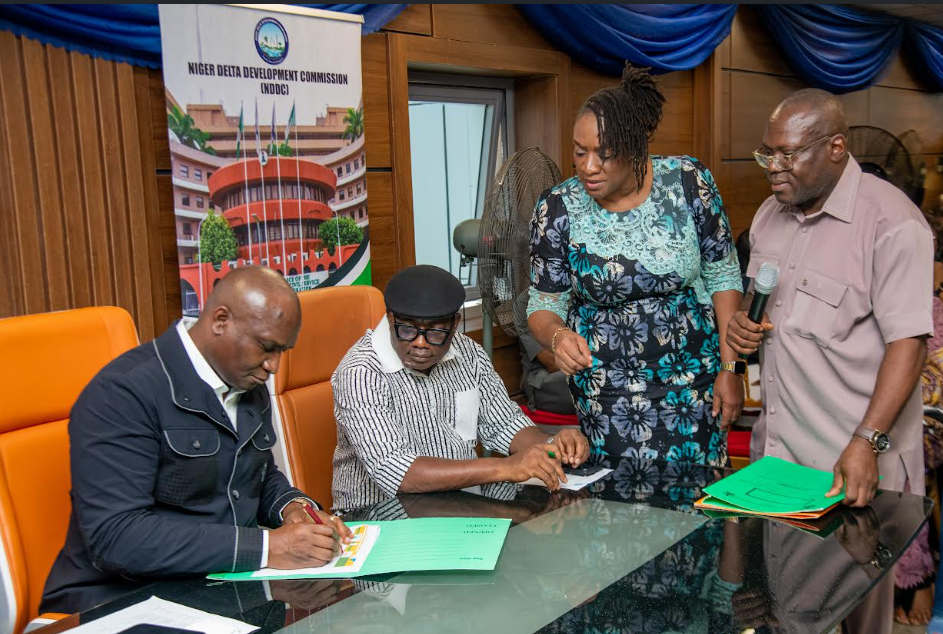
    The Managing Director of the Niger Delta Development Commission, NDDC, Dr Samuel Ogbuku, has inaugurated a seven-member Procurement Committee in compliance with the Public Procurement Act of 2007, as well as a Contract Review Committee.

    Speaking during the inauguration, which took place at the NDDC headquarters in Port Harcourt, Ogbuku underscored the importance of adhering to statutory functions as directed by the Bureau of Public Procurement, BPP. He emphasised that the committee’s establishment is an annual exercise designed to strengthen transparency, accountability, and effective checks and balances in the Commission’s procurement processes.

    He stated, “It is very important that we comply with the directives of the Bureau of Public Procurement. This committee has been given a specified timeframe to ensure that our 2026 procurement plan is executed without delay. Every directorate is expected to cooperate fully with the committee to make their work easier and more effective.”

    The NDDC Boss further charged the committee members to strictly adhere to the provisions of the Procurement Act and ensure that all procurement lists for 2026 are compiled and ready for implementation.

    In his remarks, the Director of Procurement, Dr Chuks Osuji, expressed appreciation to the Managing Director for setting up the committee. He urged members to prioritise the timely upload of the 2026 procurement plan on the National Contractors’ Portal, noting that such compliance was essential for securing approvals from the Bureau of Public Procurement.

    “The essence of uploading our procurement plan is to ensure smooth regulatory approval. Let us all work together to capture every detail of the 2026 procurement plan,” Dr Osuji said.

    In a related development, the NDDC boss also inaugurated the Commission’s Contract Review Committee, charging them to ensure that all abandoned projects are identified for necessary action to complete them.

    The Managing Director advised the committee to visit all nine Niger Delta states, as this was necessary to review the abandoned projects and determine the best way to revive them in line with the agenda of President Tinubu’s administration.

    He said the reason for the committee’s inauguration was to evaluate and ensure that all awarded contracts are executed. Ogbuku further charged the committee to determine the status of the contracts already awarded, review them, and take decisive measures to ensure the work is done.

    Ogbuku explained that the committee was set up to identify contractors’ challenges, determine how to assist them, and ensure the work was executed. He emphasised that many communities were complaining about abandoned projects that need to be reviewed, possibly terminated or rewarded. He said every part of the region needs to feel the presence of the NDDC. He gave the committee eight weeks to complete the assignment.

    The NDDC Director, Project Monitoring and Supervision, Engr. Gbenga Omowale, thanked the Managing Director for his confidence in the committee and promised that they would carry out the assignment effectively and complete it within the time frame.

    Seledi Thompson-Wakama
    Director, Corporate Affairs
    February 16, 2026.

  • The African Union Elects New Chair of the Union for the year 2026 and Prioritizes Water Security at 39th Summit in Addis Ababa

    The African Union Elects New Chair of the Union for the year 2026 and Prioritizes Water Security at 39th Summit in Addis Ababa

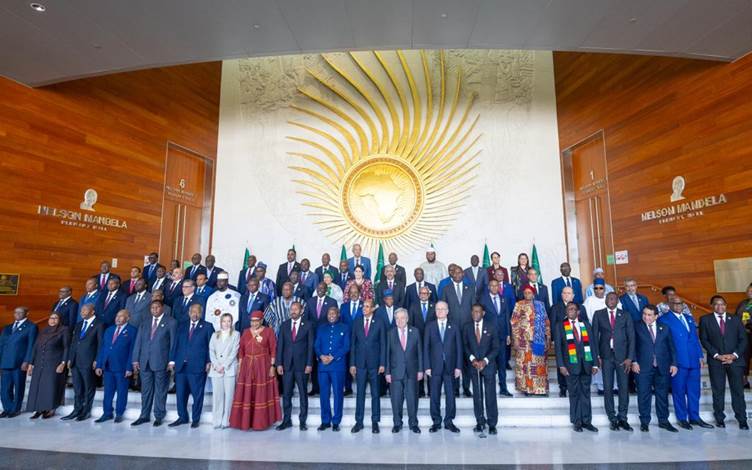
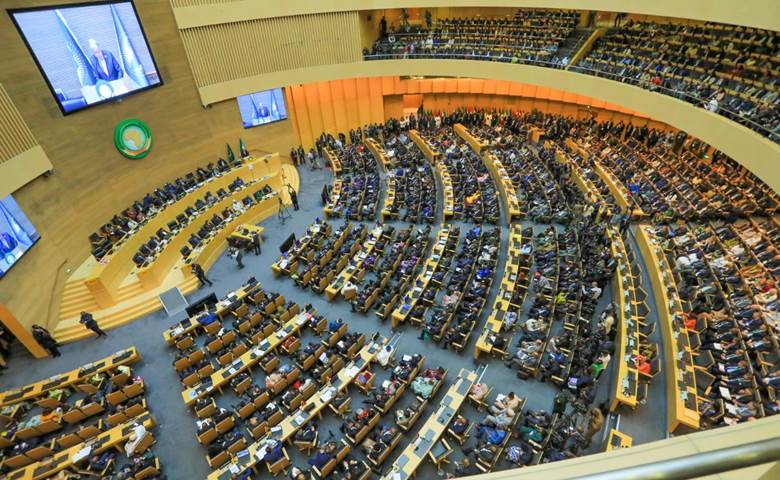
    The Thirty-Nineth (39th) Ordinary Session of the Assembly of Heads of State and Government of the African Union (AU) kicked off today at the AU headquarters in Addis Ababa, the capital of Ethiopia, with a strong call for African solidarity, financial independence, and a collective push to shape the global agenda. The two-day summit, held under the theme “Assuring Sustainable Water Availability and Safe Sanitation Systems to Achieve the Goals of Agenda 2063,” saw the election of new Chair of the Union for the year 2026 and strong messages on the urgent appeal for peace and institutional reform.

    Addressing the Assembly Meeting, Chairperson of the AU Commission, H.E. Mahmoud Ali Youssouf, framed the summit around the 2026 theme of water and sanitation, describing access to water as a collective good that must promote both development and peace. He stressed that the meeting comes at a time of mounting geopolitical turbulence, with persistent conflicts, institutional fragility and a resurgence of unconstitutional changes of government across parts of the continent. Against a backdrop of weakening multilateralism and rising global polarization, H.E. Mahmoud Ali Youssouf urged Member State to accelerate political and economic integration under the guiding vision of Agenda 2063.

    Chairperson Youssouf further emphasized that institutional reform and financial self-reliance are now imperative as external funding declines. He called for stronger domestic resource mobilization and faster implementation of continental flagship programmes, particularly industrialization, agricultural transformation, energy development and infrastructure expansion, which he described as essential conditions for sustainable growth. “Institutional reform and financial self-reliance are now imperative as external funding declines,” he stated. H.E. Mahmoud Ali Youssouf also acknowledged rising expectations from Africa’s youth, women and civil society, emphasizing that this decade of Agenda 2063 must deliver tangible performance and measurable results.

    AUC Chairperson concluded by expressing solidarity with populations affected by conflict, citing crises in Sudan, the Sahel, eastern Democratic Republic of the Congo and Somalia, as well as the suffering of the Palestinian people. He reaffirmed that respect for international law and humanitarian law remains fundamental to global peace and called for determined, collective action to secure a stronger, more autonomous and prosperous Africa.

    H.E. João Manuel Gonçalves Lourenço, President of the Republic of Angola and outgoing Chairperson of The AU officially opened the 39th African Union (AU) Summit by calling for accelerated action to ensure sustainable water availability and safe sanitation systems, the 2026 AU theme, describing access to water as a political, moral and strategic priority essential for Africa’s development, public health, food security and stability.

    Reflecting on Angola’s year as AU Chair, Lourenço highlighted progress in advancing Agenda 2063, mobilizing investment for infrastructure, strengthening continental integration through the African Continental Free Trade Area (AfCFTA), and promoting reforms to improve AU efficiency and reduce bureaucracy.

    On peace and security, President Lourenço stressed that Africa’s development depends on “silencing the guns” and addressing ongoing conflicts, particularly in Sudan and the Democratic Republic of Congo, as well as combating terrorism in the Sahel and Horn of Africa. He reaffirmed the AU’s rejection of unconstitutional changes of government and warned against legitimizing coups through subsequent elections.

    H.E. João Manuel Gonçalves Lourenço concluded by urging African leaders to adopt measurable commitments that deliver tangible results for citizens and reinforce a resilient, integrated and prosperous Africa aligned with Agenda 2063.

    Speaking at the 39th AU Summit in Addis Ababa, Prime Minister Abiy Ahmed emphasized that Africa should shift from reacting to global events to actively shaping the global agenda, especially as the African Union nears its 25th anniversary. He called for unity, confidence, and greater continental influence in world affairs. He highlighted that true sovereignty includes owning Africa’s narrative and technological future, noting Ethiopia’s establishment of an Artificial Intelligence (AI) institute and plans for an AI university, and concluded with a forward-looking vision aligned with Agenda 2063.

    UN Secretary-General António Guterres stressed the importance of strengthening the strategic partnership between the United Nations and the African Union, underscoring multilateral cooperation as essential for peace, security, and sustainable development. He highlighted Africa’s growing influence in global affairs, reaffirmed the need for UN Security Council reform (including stronger African representation), and emphasized support for Africa’s development goals, industrialization, and equitable access to financing. The remarks aligned with continental priorities and reinforced the commitment of both organizations to work together on peace, resilience, and prosperity for Africa and the world

    H.E. President Évariste Ndayishimiye of Burundi has been formally elected as the Chairperson of the African Union (AU) for the year 2026, taking over the rotating leadership from Angola’s João Lourenço at the 39th Ordinary Session of the AU Assembly of Heads of State and Government in Addis Ababa, Ethiopia.

    The composition of the new Bureau of the Assembly of the Heads of State and Government of the African Union for 2026 is as follows:

    1. Chair of the African Union – The Republic of Burundi, (Central)

    2. First Vice – Ghana, (West);

    3. Second Vice – Tanzania, (East);

    4. Third Vice – To be confirmed, (North Africa Region); and

    5. Rapporteur – Angola, (South)

    The summit continues with deliberations focused on the critical theme of water security, as well as pressing peace and security issues across the continent.

  • African Union Theme of the Year 2026: A Call to Action for Safe Water and Sanitation to drive Africa’s Development Agenda

    African Union Theme of the Year 2026: A Call to Action for Safe Water and Sanitation to drive Africa’s Development Agenda

    The Assembly of Heads of State and Government of the African Union (AU) at its 39th Ordinary Session held on 14 February 2026, in Addis Ababa, Ethiopia, has adopted as theme for the year, “Assuring Sustainable Water Availability and Safe Sanitation Systems to Achieve the Goals of Agenda 2063.”

    As leaders and citizens rally together, in the pursuit of a healthier and more prosperous Africa, to take center stage, and bring hope and opportunity to millions of its citizens, the African Union will prioritize sustainable water and sanitation systems for 2026, as a pivotal step towards realizing the health aspiration of Agenda 2063.

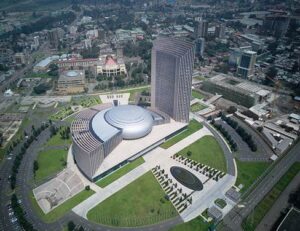
    a modern, circular, multi-level building surrounded by a meticulously landscapedThe image depicts a modern, circular, multi-level building surrounded by a meticulously landscaped area, situated in a cityscape with various other buildings and structures.AI-generated content may be incorrect.This theme underscores the critical importance of water and sanitation in driving Africa’s development agenda and addressing the continent’s pressing challenges. The adoption of the Africa Water Vision 2026 will help foster a strategic framework towards inclusive and climate resilient water security on the continent, paving the way for integrated water resources management within the Water, Energy, Food and Ecosystems (WEFE) nexus framework, which will in turn, promote a new narrative on water that fosters an appreciation of the vitality of water in economic growth; job creation; and industrialization, among others. The Department of Agriculture, Rural Development, Blue Economy, and Sustainable Environment (ARBE), which is responsible for promoting sustainable agricultural development, rural economy growth, and environmental sustainability across Africa, is championing the implementation of the AU theme of the year 2026, in alignment with the AU Assembly Decisions.

    The Africa Water Vision 2026 of “an Africa where there is an equitable and sustainable management of water resources for poverty alleviation, socio-economic development, regional cooperation and the environment,” is timely, and in line with the AU vision of “an integrated, prosperous and peaceful Africa, driven by its own citizens and representing a dynamic force in the global arena”. A number of continental policy decisions and declarations have been taken by the AU to foster actualisation of these visions including the Africa Agenda 2063. The continental Agenda provides the framework and roadmap to achieve the aspirations on accelerated agricultural growth and transformation for shared prosperity and improved livelihoods, recommitting to the principles and values of the Comprehensive Africa Agricultural Development Programme (CAADP), and enhancing investment finance in agriculture, and intra-African trade in agricultural commodities, among others.

    Climate Change, Water Security, Health and Sanitation

    As Africa continues to grapple with the impacts of climate change, including increased droughts and flooding, the need for sustainable water management has never been more urgent. According to the World Health Organization (WHO), waterborne diseases remain a leading cause of mortality in Africa. To protect the interests of the African population, the AU is determined to improve access to safe sanitation facilities, particularly in rural and underserved urban areas and enhance water resource management for food security, economic stability, and resilience against climate-related challenges.

    The AU’s 2026 theme serves as a clarion call for action across the continent. It stresses that achieving sustainable water availability and safe sanitation systems is not just an environmental issue but a pathway to achieving broader socio-economic goals. Member States, civil society, and the private sector are urged to collaborate in addressing these challenges. The AU urges member states to engage local communities in planning and implementing water and sanitation projects. This participatory approach is seen as vital for ensuring the sustainability and effectiveness of initiatives, as the AU advocates for robust policy frameworks to monitor progress and adapt strategies while monitoring the evolving water and sanitation conditions on the continent.

    The theme on water and sanitation further calls for enhanced regional cooperation in managing transboundary water resources. Many of Africa’s rivers and lakes cross national borders, necessitating innovative technologies for water purification, need collaborative approaches to ensure equitable and sustainable solutions for water and sanitation.

    Water scarcity and inadequate sanitation are pervasive issues across Africa, affecting millions and stifling economic growth. The AU’s focus is to galvanize member states and stakeholders to prioritize these fundamental areas, in alignment with the broader aspirations of Agenda 2063, which seeks to foster inclusive and sustainable development by 2063.

    The AU is in the process of developing an all-inclusive implementation strategy on the theme for the year 2026 on water and sanitation, featuring innovative solutions, youth, women, and marginalized communities, recognizing their critical role in driving sustainable change and share best practices. Hence the need to advocate for a new narrative on water that resonates with the expectations of the African citizenry. A narrative that recognizes the full potential of water in the socio-economic development of Africa, given that three out of four jobs are water-dependent and up to 80% of ailments impacting on the productivity of the labour force in Africa can be attributed to poor hygiene and sanitation. Water scarcity and supply disruptions limit economic growth. Exacerbated by climate change, water scarcity is also a contributing factor to migration while the transition to a greener economy enhances opportunities for decent jobs, etc).

    The new narrative on water will therefore foster an appreciation of the vitality of water in economic growth, job creation, and industrialization. It would raise the business case and profile of water in national and regional development, position water better in the economy, accelerate the pace of water infrastructure investments. It will also increase awareness of water’s critical role in enhancing job creation and build on the foundations of integrated water resources management, to advocate for approaches such as the water-energy-food-ecosystem nexus.